

When Should You Replace Your Brake Pads? A Quick Guide for Everyday Drivers
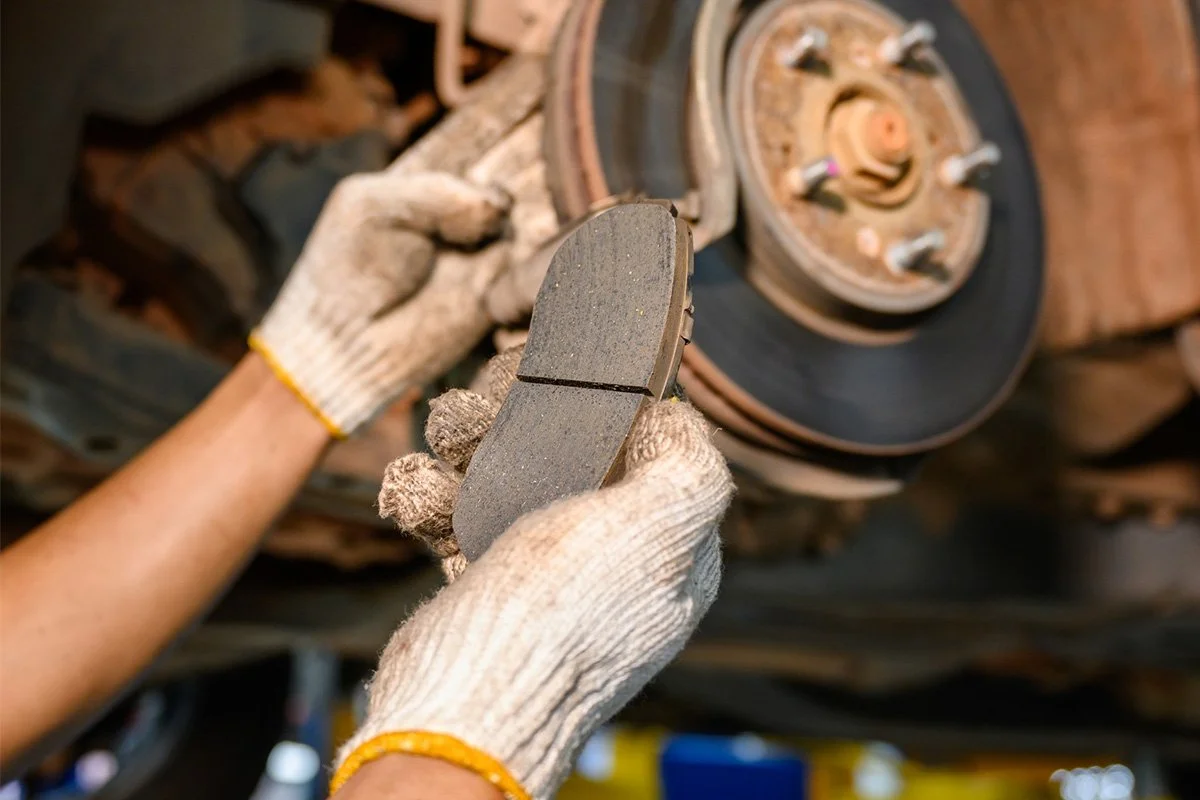
Brakes are one of the most important systems in a car, especially when it comes to safety. Your brake pads are crucial to this system: they are what press down on your rotor, causing the friction that slows and stops your car. Brake pads can be made of metallic, ceramic, organic, or composite materials, all of which will inevitably wear down due to all of that friction and need to be replaced. But how do you know when to do so? Total Auto Care in North Branch can give you a few signs to watch out for.
Warning Signs of Worn Down Brake Pads
When your brake pads start to wear down, there will be signs — some intentional, so you know to replace them, and others symptoms of potential damage being done by inadequate padding. A major sign of worn or faulty brake pads is strange sounds whenever you brake. If you hear screeching, squealing, or squeaking, this could be a purposeful warning sign. Many brake pads have metal scrapers built in to act as a signal that the pad has worn down, causing the squealing sounds without causing damage — yet — so you should act quickly to have your brakes inspected before any damage can be done. If the sound changes to grinding or grumbling, the pads have fully worn away, and now there is real risk of harm being done to the rest of your brake system.
Many vehicles now also come with on screen messages or dashboard warning lights for brake issues. However, these may not be the most reliable indicators, as they don’t always come on when they should. Also, in many cars, the light for a brake warning is the same as the light informing you your parking brake is on. If you notice that the light is still on when you have taken off the parking brake, you may want to bring your vehicle in to your mechanic or auto technician to have your brake system examined.
Additionally, if you notice that your car is taking longer than usual to stop, that can be a sign of worn brake pads — or low brake fluid. Either one is a problem and should be fixed quickly for your safety. Another possible sign of thin brake pads is vibration when you brake, though this can also be caused by damaged rotors. Again, both should be fixed sooner rather than later.
When to Replace Brake Pads
While you should absolutely replace your brake pads when they start to show the signs of wear mentioned above, you can prevent reaching such a risky point by staying up to date on your vehicle’s scheduled maintenance. Most vehicle owner’s manuals recommend that brake pads be inspected at every oil change, though you may want to have them looked at more frequently if you tend to ride the brake rather hard — that is, you press on and release the brake more frequently than others. If the brake pads are checked on frequently, then they can be replaced before they become worn down enough to be a risk, keeping you and your passengers safe.
If you’re worried about your brakes, or if it’s just time for your next oil change and brake inspection, Total Auto Care’s expert technicians have you covered. Book an appointment, give us a call, or stop by, and we’ll take care of your brakes.