

What is an Engine Light Diagnostic, and Why Should You Get One?
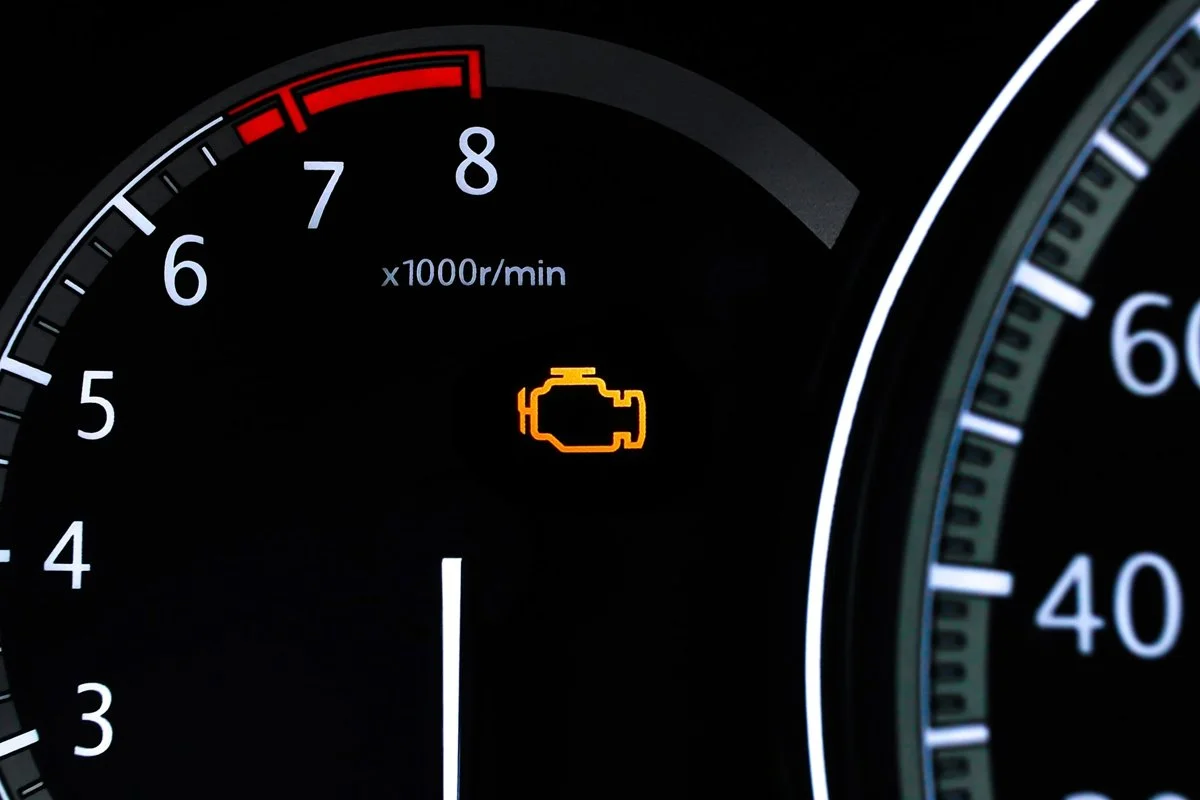
Our cars come with many built-in systems to let us know when something is wrong. One of the most recognizable is the check engine light on your car’s dashboard. But the light, also known as the engine diagnostics warning light, is tied to many parts and systems, so it doesn’t give you a clear idea of what the problem may be. Luckily, your auto experts at Total Auto Care in North Branch have ways to ‘talk’ to your engine light diagnostics.
Why is My Check Engine Light On?
The check engine light is, at its most basic, a sign to you that something in your car is wrong. The computer in your car — the vehicle’s internal diagnostic system — sensed a problem and triggered the light to let you know. The engine light covers a broad range of issues, from easy fixes like putting the gas cap on to serious problems like engine misfires, so it’s important not to ignore when it comes on. If you wait to have the issue diagnosed, a small amount of damage could become much worse and much more expensive, while already critical damage could be dangerous to continue driving on.
How Does My Car’s Diagnostic System Work?
When your car’s internal computer notices there’s a problem, it does more than turn the dashboard light on. As soon as a vehicle is started up, the hundreds of monitors and modules throughout start running tests and taking in data from sensors to make sure everything is working properly. The engine control module (ECM) or engine control unit (ECU) tracks any issues or signs of damage in the engine or in any related systems, stores them as diagnostic trouble codes (DTC), and triggers the engine light.
How We Read Your Car’s Diagnostics
So your car has logged a code of the engine’s issue and triggered your check engine light. But how do you find out what the problem actually is? While you can probably start by just checking that your gas cap is solidly screwed on — the easiest potential fix for a check engine light — just in case, your safest option is to bring your car into your local auto techs. At Total Auto Care, we have a way to communicate with auto computers and retrieve the DTCs: On-Board Diagnostic scanners, called OBD-II.
The OBD-II will give us the codes, which tell us where the problem is, and the type of issue to look for. From there, our ASE Master Certified techs take a look for themselves to confirm the issue, make a repair plan, and review it with you so you’re kept fully informed. Using engine light diagnostics and the OBD-II make repair and maintenance services simpler and quicker, since we are given an arrow pointed directly at even tiny problems.
How to Prevent Your Check Engine Light Turning On
While there’s no certain way to guarantee your check engine light never comes on again, your best chance is to take good care of your car. Stay up to date on your scheduled maintenance like tune-ups and oil changes; most manufacturers recommend having your engine checked annually, or about every 10,000-15,000 miles. Make sure you’re using the right kind of gas for your car, that it’s good quality, and that you fully tighten the gas cap when you’re done. And if you have more questions, Total Auto Care is here in North Branch, happy to answer and take care of your car any day.