

Minnesota Winter Car Preparation: What to Inspect Before the First Freeze
Freezing Minnesota winters may seem far away as we enjoy the foliage and mild weather of fall, but ice and snow are just around the corner, and it’s important to be prepared. Before the cold really sets in, take the time to ensure your car can face the weather ahead. The Total Auto Care team in North Branch recommends this winter preparation checklist so you know exactly what needs to be inspected, adjusted, or changed to winterize your car and stay safe in icy conditions.
How to Prepare Your Car for Winter
Car Battery Inspection
Car batteries supply the power to start the engine, but low temperatures can make this more difficult. Engines need more power to start in cold weather, and a battery with reduced capacity from cold or age may not be able to supply it. For best results, ensure the terminals are clean and have your battery tested, particularly if it is more than a few years old.
Tire Inspection
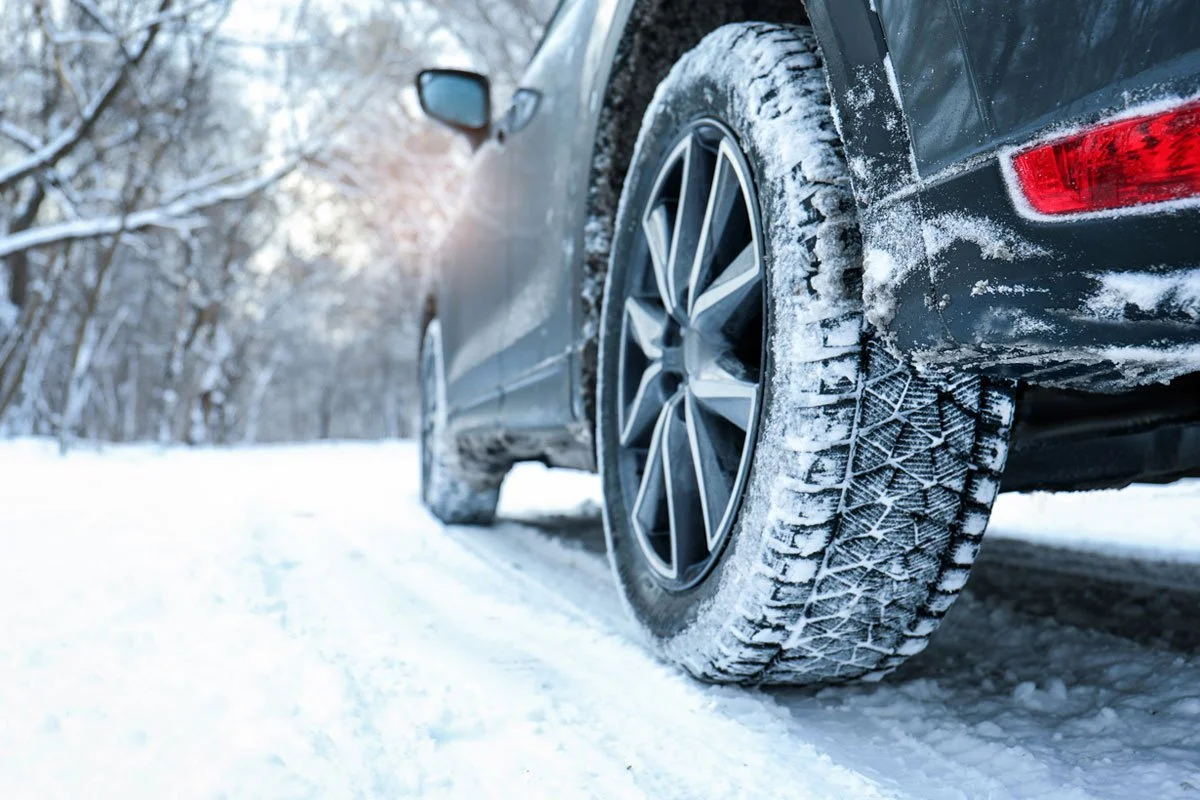
Your tires will need to be in good condition to effectively grip the road through ice and snow. Many drivers make the swap to winter tires, which are made from a rubber compound more effective in the cold and have deeper treads than all-season tires. Tire chains or snow socks can also improve grip and traction.
Additionally, it’s crucial to inspect your tires frequently, especially to check air pressure. Low temperatures reduce tire pressure, so monthly checks — or more often — will help you stay ahead. Your recommended tire pressure can be found in your owner’s manual or on the label on the driver’s side door. Use this number, not the one on the side of the tire, which is the maximum pressure. When doing these checks, take the time to inspect the rubber for signs of visible damage, such as punctures, bulges, or cracks, and make sure you still have a tread depth over 2/32”. Don’t forget to inspect your spare tire as well.
Brake Inspection
Stopping your car quickly in icy conditions can be stressful, so make sure your brakes are working properly to stay safe. Inspect your full brake system, replace any parts like your brake pads or rotors that may be worn or damaged, and top off your brake fluid.
Coolant and Winter Oil
The cooling system prevents a car’s engine from freezing as much as it does from overheating. Top off your coolant — or flush and replace if it’s been a while — and check for any leaks. Ideally, your winter coolant mix will have a 50/50 ratio of antifreeze to water.
To protect the engine internally, change to a winter-grade oil. Most oils are thicker, which can gunk up the engine in the cold, but winter oils have a lower viscosity. Check your owner’s manual or talk to your local Total Auto Care techs to find the right type for your vehicle and complete an oil change.
Keep Air Clean — Filters and Exhaust
The cabin air filter cleans contaminants out of the air you breathe while you drive, which includes the air in the defroster and the rest of the HVAC system. If the filter is clogged, replace it so your defroster can work efficiently to keep your windshield clear.
Filters keep your air clean of contaminants, while your exhaust releases dangerous gases like carbon monoxide where they won’t harm you. However, if your exhaust pipe gets clogged by ice or snow, those gases can build up, which can be particularly dangerous when many drivers spend additional time idling to warm up their car. Check your exhaust pipe regularly to minimize this risk.
Check for Visibility — Lights and Wipers
Make sure you can see and be seen on the roads in poor weather conditions by checking your car lights. Test your headlights, brake lights, blinkers, hazards, and even interior lights, replace any burnt out bulbs, and clean the lenses to ensure visibility.
Your windshield wipers also need to be at their best to handle winter weather. Replace wiper blades that are stiff or damaged or change to winter blades — heavier than year-round blades to stand up to the rough weather — and swap to winter wiper fluid. Don’t forget to do the same for your rear window.
Inspect Internal Parts
Winter doesn’t necessarily impact internal parts like hoses, belts, wires, and spark plugs more than any other season. However, if any of these important parts fail, being stranded in the cold can be far more dangerous than other times of year.
Winter Car Care
Beyond the inspections and maintenance performed before winter rolls in, Minnesota drivers should take care of their car and themselves throughout the winter months. Regularly checking your tires, like mentioned above, will keep you aware of their condition and your safety on the road. Keeping your gas tank at least half full prevents your gas line from freezing. And if something about your car changes — new sounds, new smells, change in responsiveness — bring it in to a professional quickly so your small problem does not get worse in winter conditions.
Finally, make sure you have a sufficient emergency kit in your car, just in case you get caught out in the cold. These kits should include:
Snow shovel and ice scraper
Abrasive material like sand or kitty litter
Jumper cables
Flashlight and batteries
Flares or emergency markers
Blankets and warm clothes
Non-perishable snacks and water
Any important medications
Phone Charger
First aid kit
Basic tool kit
Total Auto Care Winterization
Total Auto Care wants all of our North Branch and Minnesota neighbors to feel safe in their cars all winter long. Stop by for an inspection to see if your vehicle is ready for the cold. Our auto techs will talk you through any recommended repairs or maintenance and work with you — and your budget — to get your car in its best condition. Come by the shop for same day service, give us a call, or book an appointment for your auto winterization.